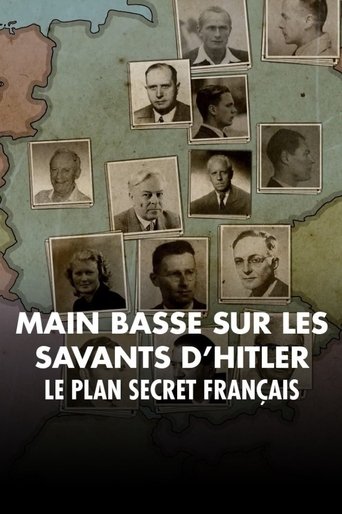
A training film for OSS agents on how to analyze statistics obtained about German industrialization and war production.
Showing the attacking forces drawn up in line of battle. They immediately commence firing on the shore batteries. The batteries return the fire with telling effect, but are at last silenced by the overwhelming forces of the enemy. In the distance can be seen the ruins of a bridge destroyed by the invading forces. The smoke thickens as the firing becomes general, and the effect is superb.
The year is 1944. The young scout Marianne remains alone behind enemy lines. Having no experience, without communication and support, she starts an important task on her own.
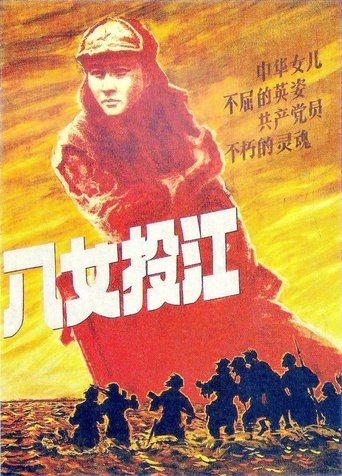
Women soldiers of the Volunteer Army battle the Japanese in Northeast China in 1936.
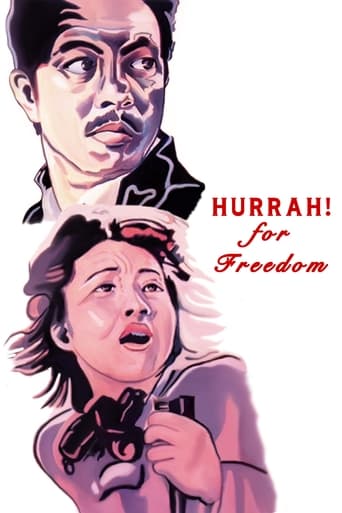
During the country's occupation Choi was only allowed to make Japan-friendly films, but the plot of Hurrah! For Freedom is distinctly different, telling the story of a Korean resistance fighter in 1945.
When 10-year-old Willie is evacuated from the East End of London, he is chosen by Zander, 13-year-old son of an army captain, to be his companion in a rambling country house.
Romania, 1944. Six intelligence agents, Russians and Romanians, at the cost of their own lives, prevented the Nazis from destroying a strategically important object — a tunnel on the path of the Soviet Army.
Drama written in flames and told with the staccato of canon-fire!
Sergeant David Callahan leads a task force of U.S. Marines on a failed mission. Five years later, working as an adviser to Thai Special Forces, he is forced to return to the Vietnamese P.O.W. camp he escaped years before, to fight a deadly duel.
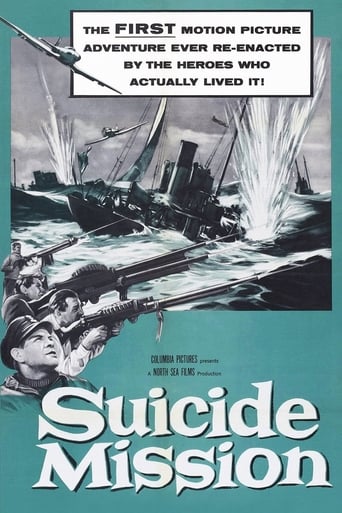
A group of Norwegians cross the North Sea in winter to deliver Allied soldiers and ammunition to their Nazi-occupied country.
This animated short by Claude Cloutier is a pictorial account of an attack on Canadian soldiers during WWI. On the edge of the battlefield, recruits are dreading the order to attack. At the signal, a young soldier leaps into a hell of fire and blood where the earth engulfs both the living and the dead. Blending archival images and Cloutier’s hypnotizing brushstroke, the film is a dazzling illustration of the futility of war.
Horrific Nazi experiments have left a surviving WWII soldier with a terrifying condition: at the sight of fresh blood, he transforms into a man-sized, blood-sucking killer insect. Refusing to let his affliction destroy him and all he loves, he instead commits himself to using his "powers" for good-by finding the people responsible and bringing them to justice.
Filmmaker Norman Lee’s searing 1934 documentary is a true testament to what soldiers endure during their time with the armed forces. Understanding that the public’s knowledge of wartime experience was limited to newsreels and photographs, Lee complements such footage with first-hand accounts and footage to help audiences better understand and sympathize with the brutal realities of war. From leaving families and loved ones to fighting on the battlefield and risking lives, nearly each personal facet is explored and discussed in Lee’s powerful testament. This film was probably either inspired by, or the inspiration for, Samuel Cummins' production of the same title (q.v.)
During World War II, a young African American is forced to continue his family’s tradition of military service when he is drafted into the United States Army. Despite complications that arise during his basic training, including his jealousy following his girlfriend's flirtatious attention to his sergeant, the young soldier becomes a hero when he locates Japanese saboteurs operating a radio station outside of his military base.
Marking the 20th anniversary of September 11, this two-hour documentary presents a unique and moving account of the day that changed the modern world. Featuring rare footage and audio, “9/11: I Was There” unveils an intimate portrayal of the events of September 11 captured by ordinary people who chose to pick up their video cameras that day; some courageous enough to get a closer look. Told in the moment without interview, commentary or narration, this riveting documentary weaves together the personal video diaries of a dozen people whose emotions are remarkable documentation of that dark day. A truly extraordinary portrayal, “9/11: I Was There” puts viewers in the shoes of New Yorkers and visitors alike to unfold the tragedy, the fear of what was next and the horrific aftermath to follow resulting in a raw and unfiltered telling of 9/11 from confusion to comprehension, terror and relief.
The story of this model work unfolds during the Anti-Japanese War and takes place in the market town of Shajiabang (沙家浜), by Lake Yangcheng in Jiangsu Province. Shajiabang has become a center of guerrilla warfare against the Japanese after its liberation by the New Fourth Army. The company political instructor Guo Jianguang and seventeen other sick and wounded soldiers are recuperating in the town from their wounds. The Japanese troops, however, are bent on exterminating all New Fourth Army personnel from the area. Guo and his men have taken refuge in the nearby marshes.
Activate Your Account!
You must create an account to continue watching